
‘Modern’ encaustic paintings represent a delicate legacy, poised between tangible and intangible domains. Their preservation is challenged by the diversity of materials employed, their local and context-specific origins, and the symbolic significance associated with the actual or presumed use of wax, which lies at the heart of their cultural narrative.
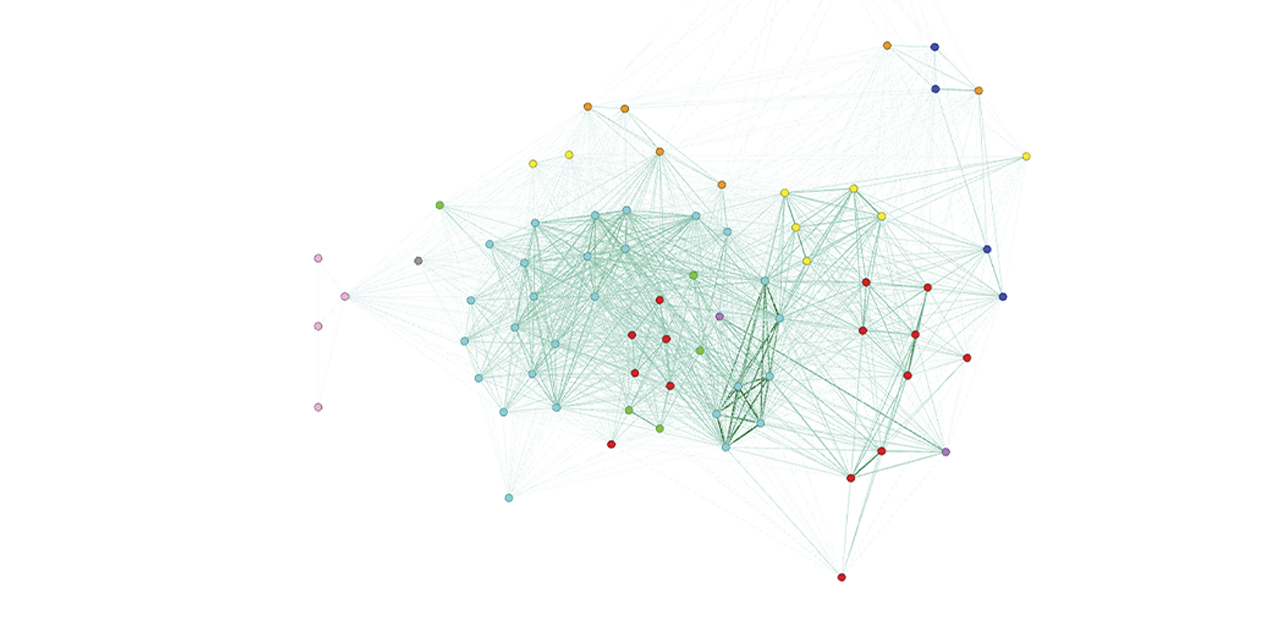
This paper forms part of the debate on the museum as a ‘place of cultural legitimisation’ and a ‘place of care’, exploring how digital representation can become a tool for safeguarding and transmitting a heritage that is as ephemeral as it is significant. The research proposes a documentation methodology based on the development of a semantic graph, generated through frequency analysis of a corpus of case studies dating from the second half of the nineteenth century to the First World War and visualised using Gephi. Through this approach, the digital space becomes a place of experimentation, capable of collecting, visualising and sharing complex information, thereby contributing to a more inclusive and socially sustainable approach to conservation.